


Blog
Science, Innovation and Friendship: Reflections from the World Coaching Conference

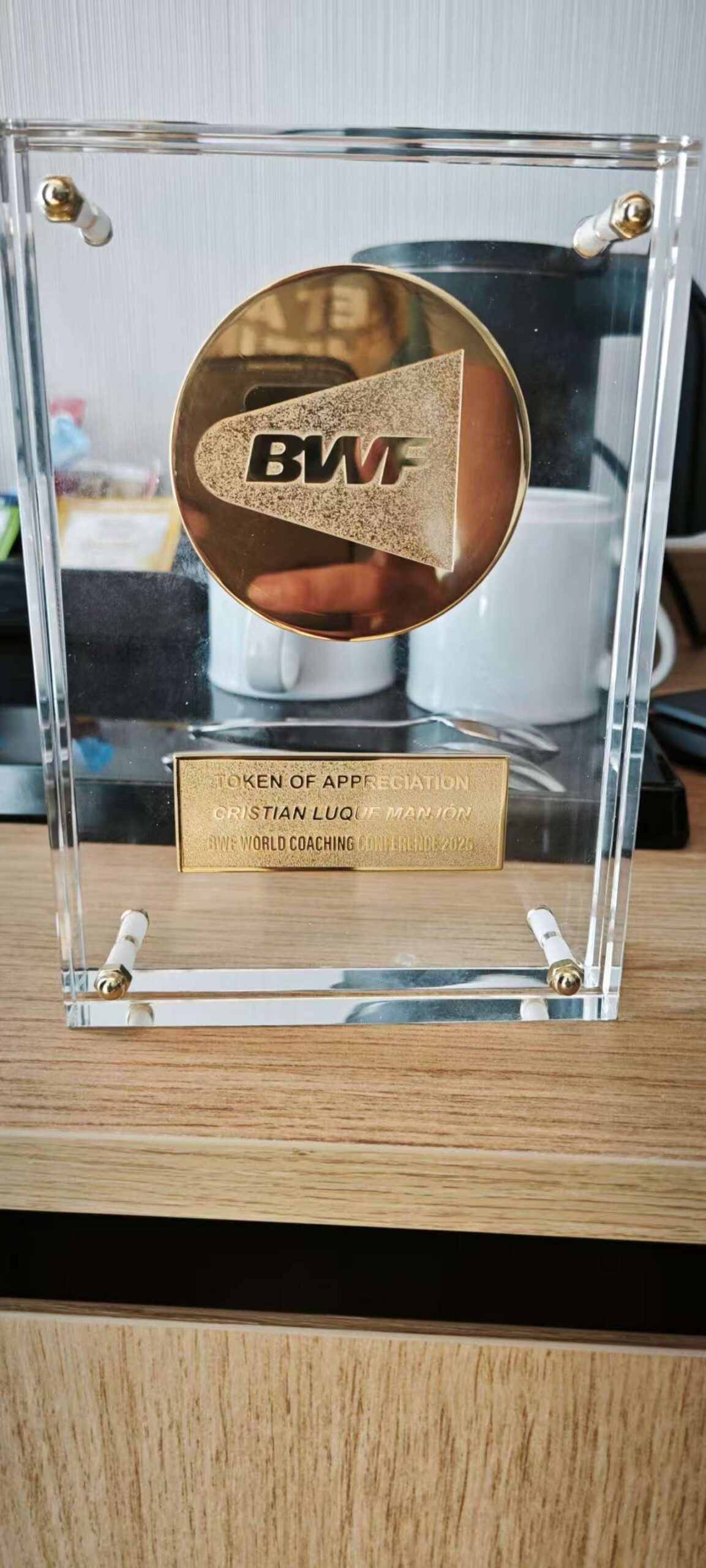
Returning to the World Coaching Conference this year was a true honor. Having already had the privilege of presenting once before, being invited for a second time is more than recognition, it is also a reminder of the responsibility we all share to keep moving badminton forward through science and innovation.
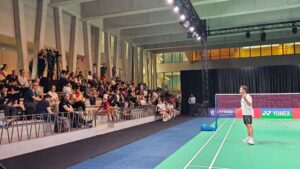
This year I had the opportunity to share two topics that I believe are very relevant in today’s game. The first was training load management, a subject that continues to gain importance in high performance sport. For me, this is not about training more, but about training better, learning to balance load and recovery, protecting the health of players while optimizing their long-term development.
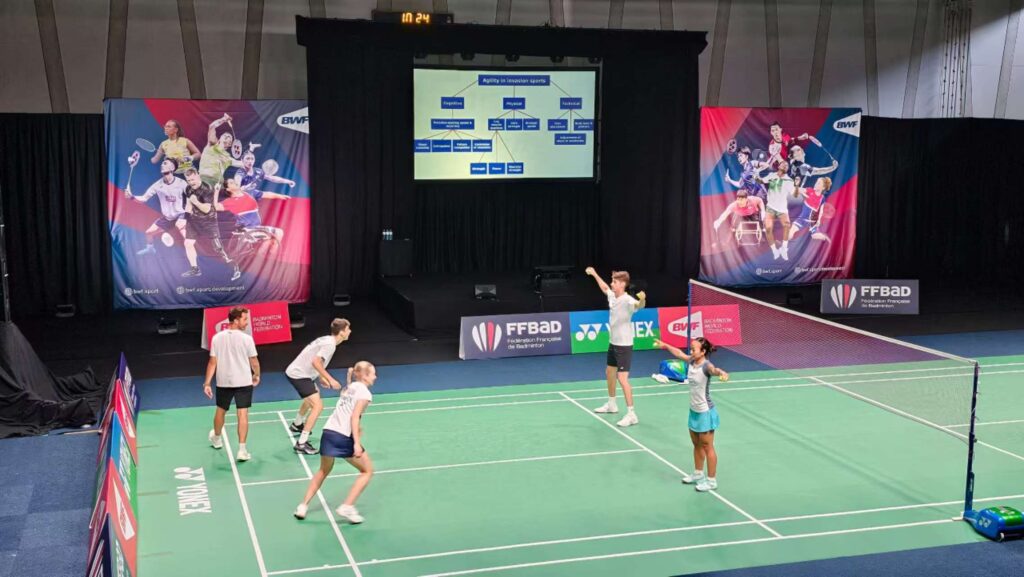
The second was agility, change of direction and speed, three qualities that are inseparable in modern badminton. Too often agility is misunderstood or oversimplified. Many still equate it with simple reaction time or with the ability to move quickly in straight lines, but true agility is far more complex. It is about perception, anticipation, decision-making under pressure, and executing movement with precision in unpredictable contexts. Common mistakes I often see in training are the overuse of linear sprints or ladder drills, which might look good but do not transfer to the game, or treating agility as purely physical while ignoring the cognitive and perceptual elements that are essential in badminton. Deceleration and re-acceleration are also often overlooked, too many drills remain isolated, disconnected from the real situations players face on court. My message was that agility training must be holistic, integrating decision making, reaction to stimuli, motor control and physical explosiveness, so that it reflects the true demands of badminton.
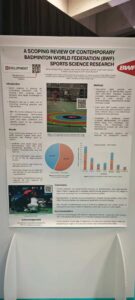
This year was also special because, in addition to my two presentations, I had the chance to present a scientific poster based on a paper we are currently developing as part of a research group. The study is a scoping review of sports science research funded by the Badminton World Federation, analyzing what has been published over the last decade and identifying the gaps and opportunities for future work. Being able to share this with the coaching community was another way of connecting science and practice, showing how evidence can inform the daily work of coaches around the world.

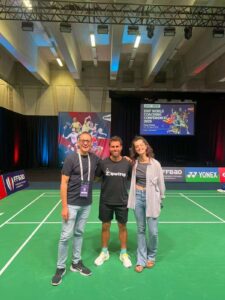
Beyond the content of the presentations and the poster, what I value most from this conference is the chance to connect with people. Meeting again with old friends, colleagues, and also making new connections is always one of the highlights. Some of the best things this sport has given me are exactly that: people I once faced as rivals or first met as speakers at other events are now good friends with whom I can share visions, experiences and a passion for badminton.


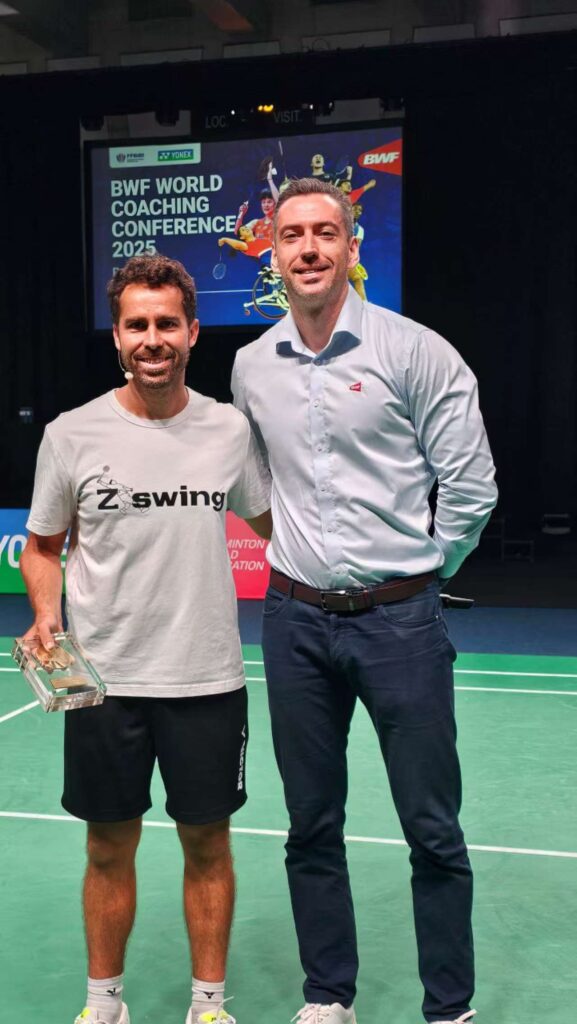
It was also an important moment for me to be able to give more international exposure to ZSWING Badminton Academy. What we are doing in Hangzhou is a daily effort to bring innovation into practice, not just as theory on a presentation slide, but as a reality on court with real players, facing real challenges. For me, that is where innovation truly lives.
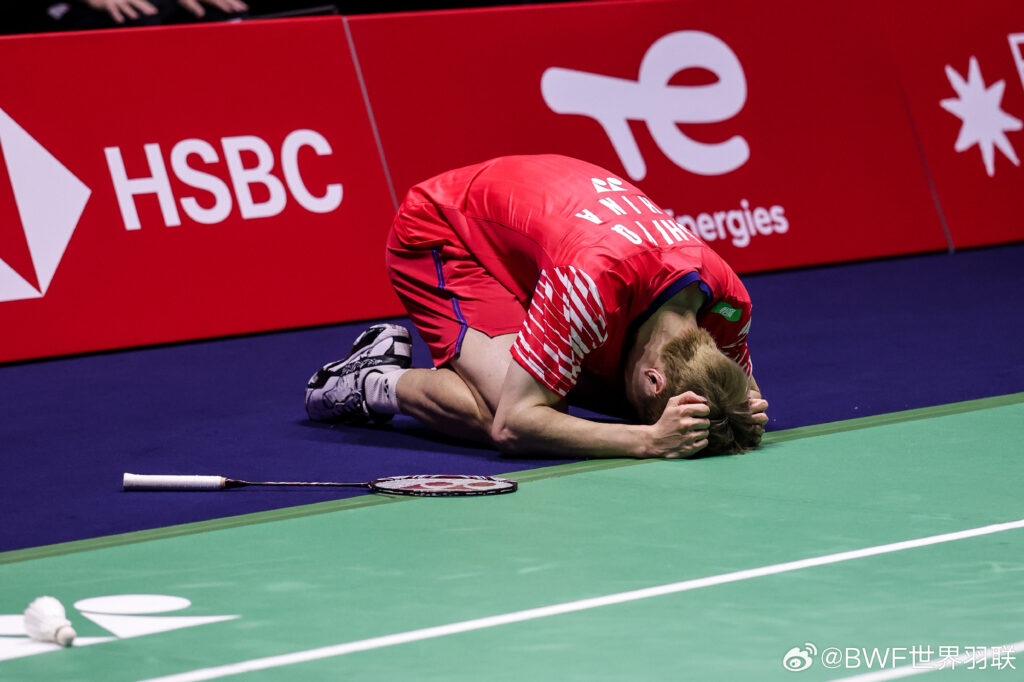
Another special part of this conference was the chance to reconnect with players and people from the Chinese team with whom I have shared many moments in the past. Seeing familiar faces again brought back good memories and reminded me of the bonds that badminton creates beyond results. At the same time, it was a joy to witness the success of the Chinese team. Seeing Shi Yuqi finally lift his trophy was a very special moment. He has carried the burden of being seen as the heir to Lin Dan and Chen Long for so many years, and now he has shown he can create his own legacy and receive the reward he deserves. Watching Chen Yufei recover her best version was equally inspiring, reminding everyone of the qualities that made her Olympic Champion and the best player in the world.
I am also deeply grateful to the Badminton World Federation for offering me this platform and recognizing the importance of science and innovation within the future of the sport. This recognition is not only personal, it is also collective, because it shows that badminton is ready to embrace new ideas and approaches.
In the end, this conference was much more than a place for presentations. It was a space for exchange, for reflection, for friendship and for reaffirming one clear idea: the future of badminton will be built with science, with innovation, with collaboration and above all, with passion